)
)
)
Color Commentary - The (Sometimes Dusty) Road to Spaceport America
 New Mexico is a land of aerospace and driving. On my flight into Albuquerque, I sat next to a Guardian and we exchanged notes on what the best types of launches to watch (At night with solids is my preference, but always at night). The Rental Car Shuttle bus driver quizzed me on the accuracy of the U.S. GPS system when compared to other global alternatives.
Spaceport America is a three-hour drive from Albuquerque broken into two parts, the first a zippy 75+ mph and 2 hours 15 minutes south on I-25 that passes the exit for the Very Large Array (VLA) radio telescope and sees northbound truckers hauling massive windmill blades headed to the state's new wind farm projects, one eighteen-wheeler per blade.
The second part of the journey starts at the Truth or Consequences exit, a 45-minute drive where travelers are well advised to fill up gas tanks, get a drink and a snack at a minimum before they start. Ten minutes down the road there aren't any convenience stores or buildings past the Elephant Butte dam, just a stretch of two-lane winding pavement going up and down the steadily ascending terrain overlooking steep drops with an uncomfortable shortage of guardrails.
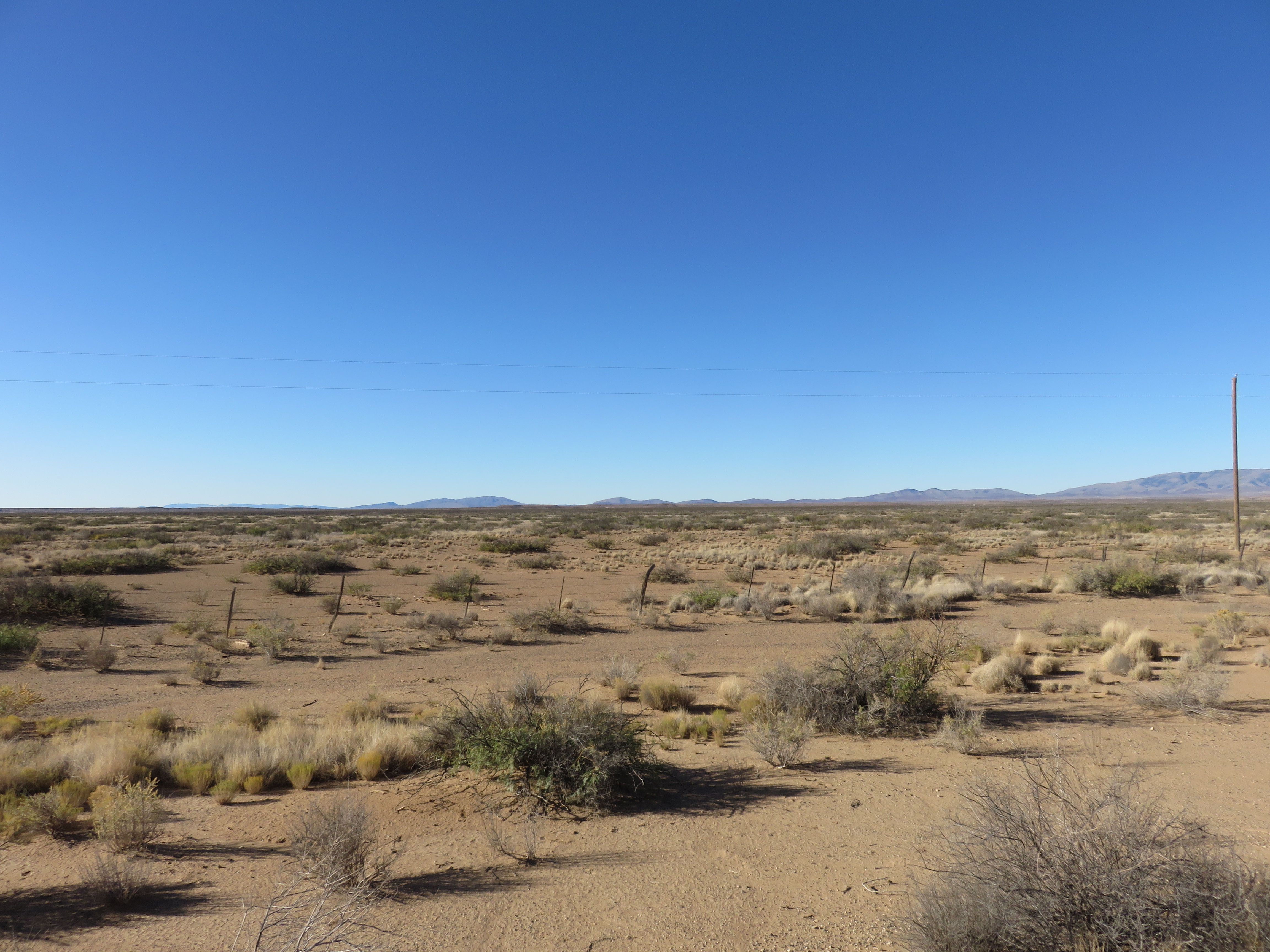
A few miles later, the land levels out and it's all flat, bracketed by distant mountain ranges, plenty of scrub brush, and the occasional metal cattle crossing grid to break up the monotony. The mountains provide shelter from most extreme weather, providing 340 days of “sunshine and low humidity,” according to the facility's 2023 annual report. Google Maps will tell you the fastest route to the Spaceport will be to take a couple of dusty unpaved roads, but the technology lies; stick to the slightly longer but much faster paved route to save yourself and your vehicle from the jarring and a carwash.
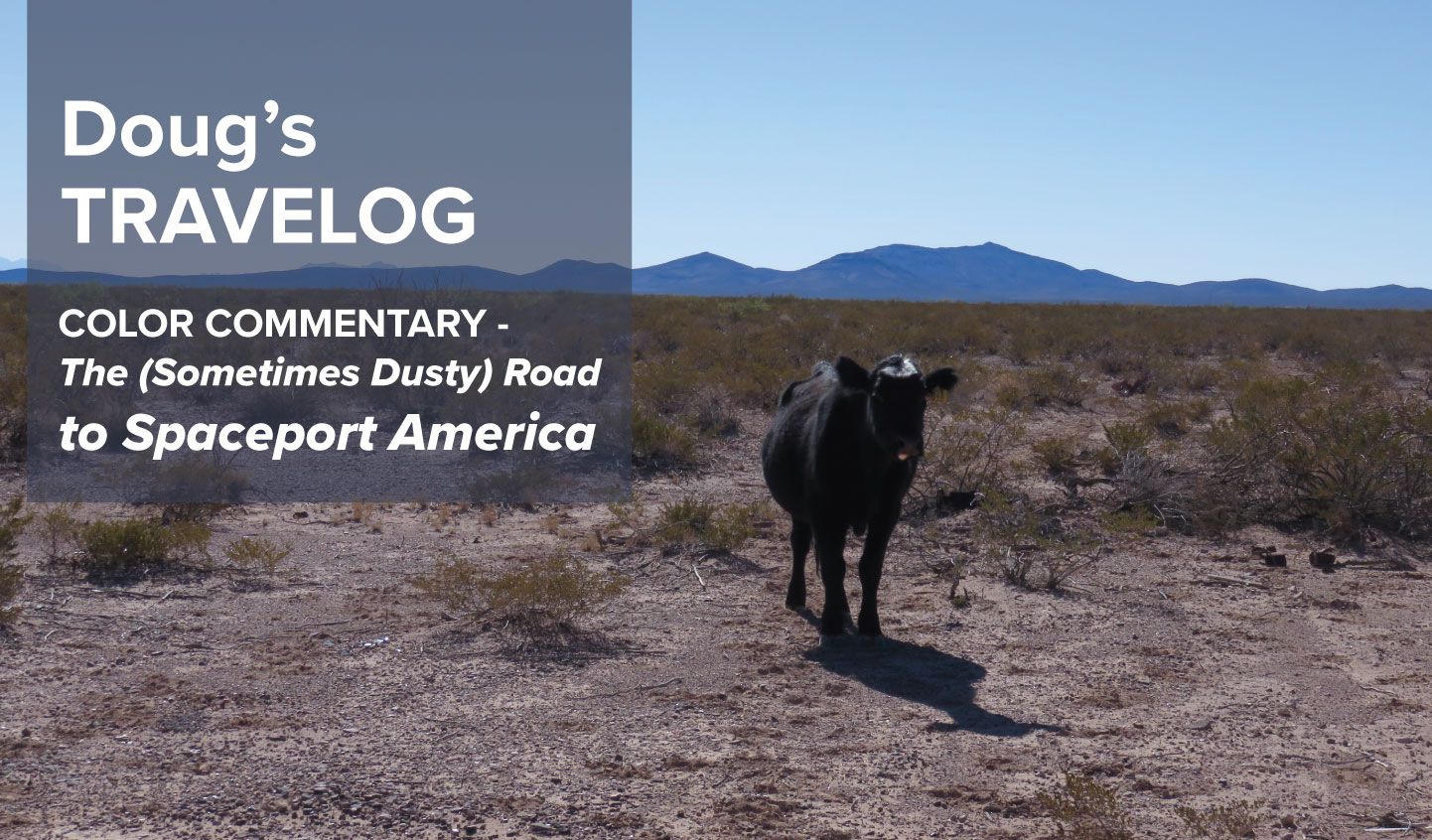
After about 30 or so minutes, you'll start to see signs for Spaceport America and end up parallel to the railroad for a bit, passing a couple of working cattle ranches and maybe spotting the occasional grazing cow -- hopefully one not wandering in the middle of the road as they sometimes do.
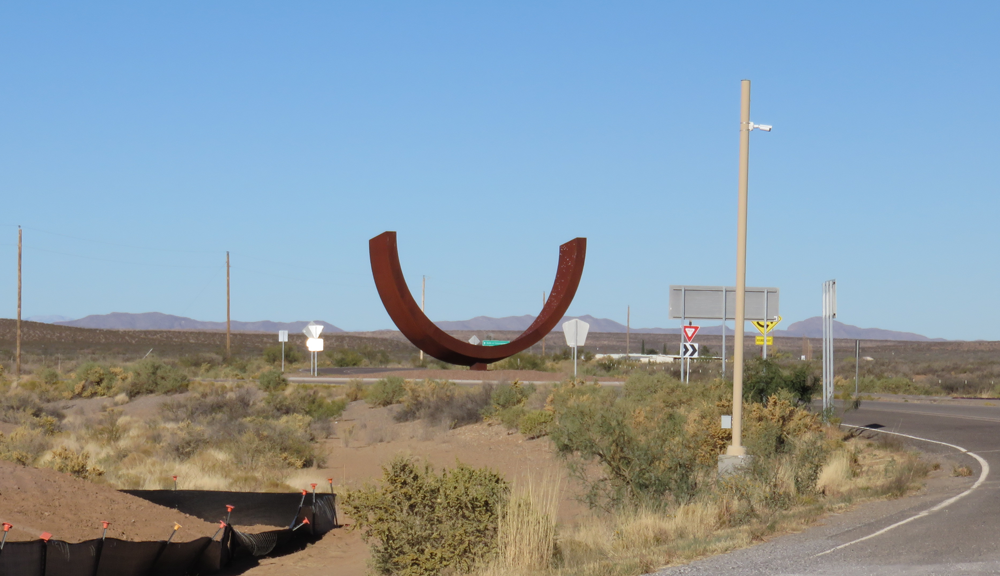 Eventually you'll see a big metal “U” sculpture parked in the center of a traffic circle that leads to the main gate at Spaceport America. Currently, there's a dissembled model of a Virgin Galactic SpaceShipTwo sitting on the back of a trailer to one side, awaiting the new STARK multipurpose visitor's center to be built outside of the airfield security perimeter.
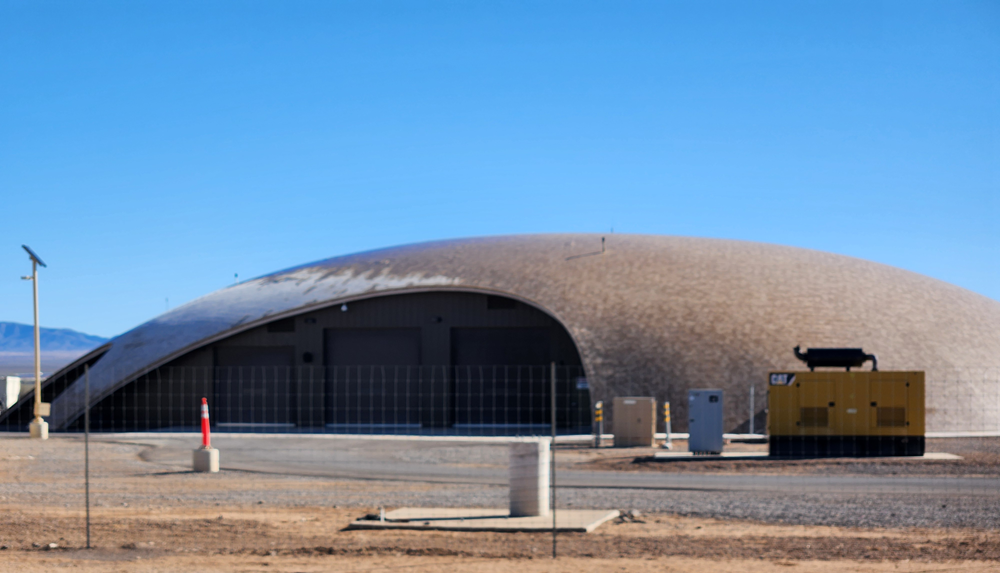
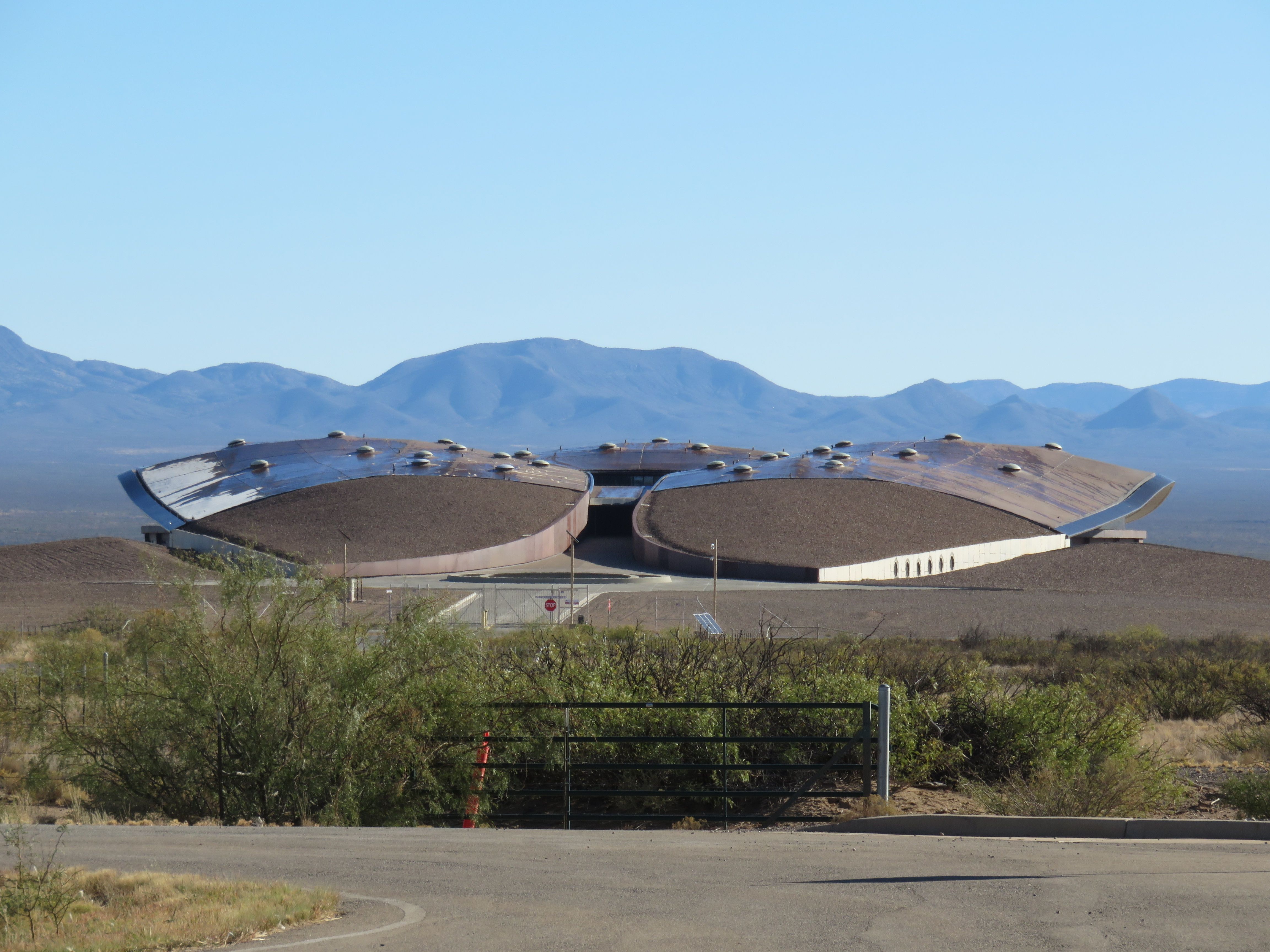
From the main gate, you'll have a good view of the Virgin building/bunker and the adjacent airfield facilities, comprising a futuristic-looking operations center/fire station/STEM complex and a few more conventional hangers that tend to be used for HARPs operational surges, along with the Isotropic satellite ground station and other dishes.
The vertical launch facility is around 10 to 15 minutes southward on unpaved hardpack dirt roads, a spartan space with some distributed modular buildings, a launch rail for Up Aerospace rockets, the occasional large cabinet emerging from the ground offering power and fiber access, and the crown jewel of the area, a new Verizon tower extending cellular coverage.
Traveling further south is where the most adventure is to be found, with another 15 minutes of driving along dirt roads getting you to the farthest south part of the complex where SpinLaunch has built its sub-scale proof-of-concept centrifuge, something that looks more SteamPunk than Sci-Fi. The area is so remote that there's no power lines running to the facility, so everything is operated from generator power.
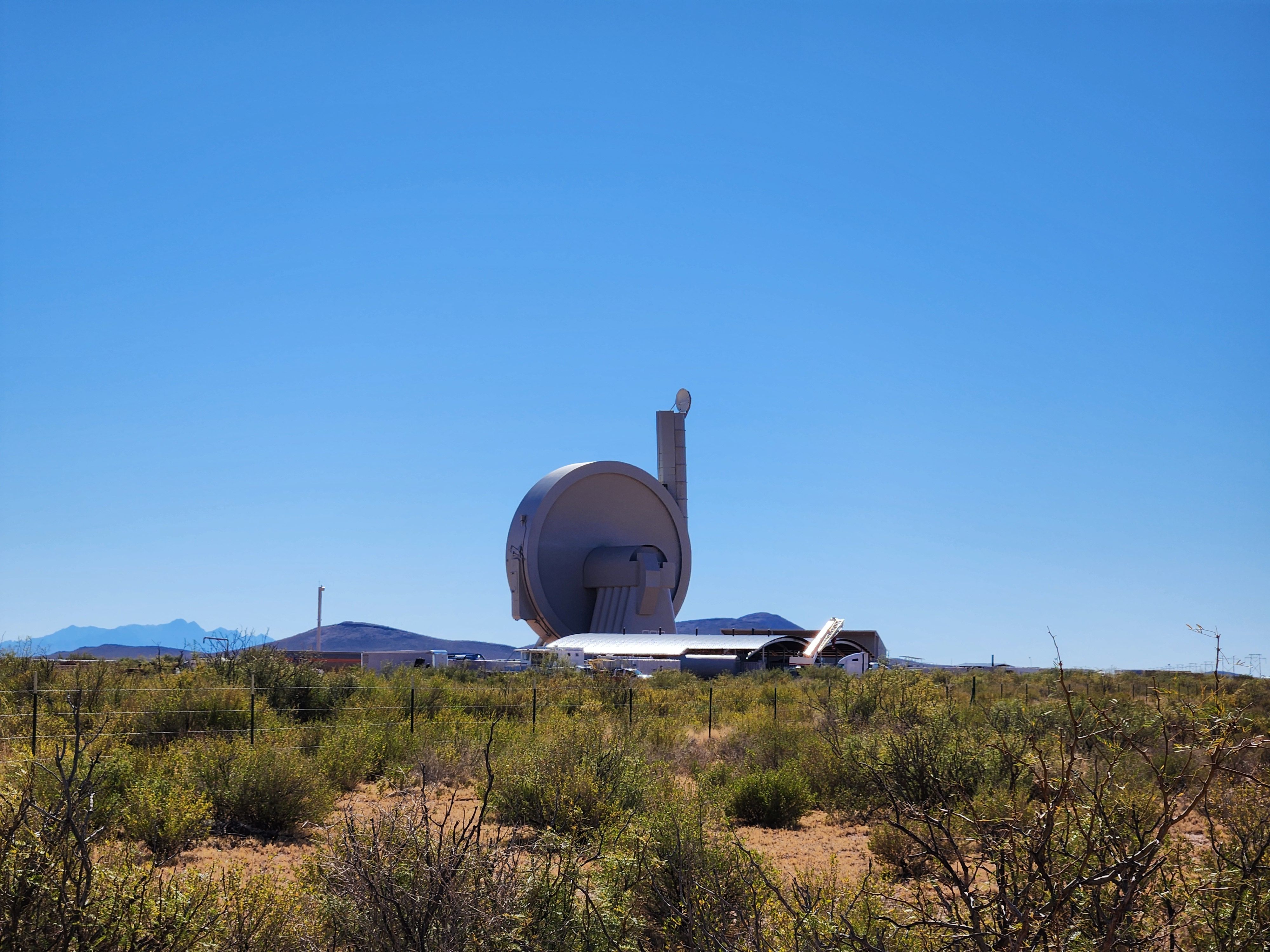
Unseen on my visit but ever-present in the desert landscape are a variety of native fauna, including rattlesnakes, tarantulas, horned frogs, coyotes, mice, rats, and birds. Ocean-adjacent facilities like the Cape and Wallops have to deal with wayward boats delaying launches, while Spaceport America makes sure none of the locals have wandered onto or taken up residence on the 12,000-foot runway and vertical launch areas prior to the start of operations.
Driving back to Albuquerque, I realize that Spaceport America's distance is both a blessing and a curse. There's plenty of real estate for dangerous activities and kinetic mistakes, but everything and everyone comes in and out on those windy two-lane roads. It's not a commitment made lightly and there's still plenty of work to be done once you get there.
)
)
)
)
)
)
)
)
)
)
)
)
)
)
)
)
)
)
)
)

)
)
)
)
)
)
)
)
)
)
)
)
)
)
)
)
)
)
)
)
)
)
)